
"coffee growing Haiti"
500 article(s) found

A brief introduction to the market price of fresh and elegant Santo Domingo boutique coffee beans
To trace the origin of Tibica, we should first talk about the coffee trees originally planted in Martinique. These trees were planted by Dominicans as far back as the early 18th century, so Dominica began growing coffee as early as that time. For a time, the Caribbean was almost synonymous with coffee production, but in recent years Cuba, Haiti and other producing areas have been severely damaged by Hurricane George.

A brief introduction to the origin, development, history and culture of Santo Domingo boutique coffee beans
To trace the origin of Tibica, we should first talk about the coffee trees originally planted in Martinique. These trees were planted by Dominicans as far back as the early 18th century, so Dominica began growing coffee as early as that time. For a time, the Caribbean was almost synonymous with coffee production, but in recent years Cuba, Haiti and other producing areas have been severely damaged by Hurricane George.
The production of coffee beans in the world's major coffee exporters
The output of the world's major coffee exporters is on a downward trend due to various factors, while global coffee demand is rising again. Some analysts pointed out that this will lead to an annual increase of about 20% in international coffee bean prices in the next few years. With the discovery and development of new producing areas such as Yunnan, the distribution of coffee producing areas will be more dispersed, which will also be beneficial to the price of this commodity.

Description of bitter and sweet flavor of Jamaican coffee beans introduction to the method of regional treatment of varieties produced by grinding scale
The earliest coffee on the island of Jamaica came from Haiti in Latin America in 1728. By 1790, some coffee farmers among the refugees in exile from Haiti had settled in the Blue Mountains and brought coffee-growing technology here. In 1838, Jamaica abolished slavery and allowed liberated slaves to cultivate their own land. Free slaves moved to the mountains to specialize in planting.
A brief introduction to the planting market price of Dominican boutique coffee beans with pleasant fragrance
The temperate climate in Dominica is conducive to coffee cultivation, and the best places to grow coffee are the Barahona region in the southwest and the Cibao Valley north of Santiago, Dominica's second largest city. The northern region, represented by Hibao, and the southern region, including Okayabani Santo Domingo, produce good coffee. Among them, Santo

A brief introduction to the origin, development, history and culture of Dominican boutique coffee beans with pleasant fragrance
The temperate climate in Dominica is conducive to coffee cultivation, and the best places to grow coffee are the Barahona region in the southwest and the Cibao Valley north of Santiago, Dominica's second largest city. The northern region, represented by Hibao, and the southern region, including Okayabani Santo Domingo, produce good coffee. Among them, Santo

The processing Technology, Weather and Climate of Jamaica Blue Mountain Coffee
The earliest coffee on the island of Jamaica came from Haiti in Latin America in 1728. By 1790, some coffee farmers among the refugees in exile from Haiti had settled in the Blue Mountains and brought coffee-growing technology here. In 1838, Jamaica abolished slavery and allowed liberated slaves to cultivate their own land. Free slaves moved to the mountains to specialize in planting.

A brief introduction to the description of the flavor, taste and aroma characteristics of bright and sour Dominican coffee beans
The temperate climate in Dominica is conducive to coffee cultivation, and the best places to grow coffee are the Barahona region in the southwest and the Cibao Valley north of Santiago, Dominica's second largest city. The northern region, represented by Hibao, and the southern region, including Okayabani Santo Domingo, produce good coffee. Among them, Santo

A brief introduction to the origin, development, history and culture of Dominica boutique coffee beans with bright and sour taste
The temperate climate in Dominica is conducive to coffee cultivation, and the best places to grow coffee are the Barahona region in the southwest and the Cibao Valley north of Santiago, Dominica's second largest city. The northern region, represented by Hibao, and the southern region, including Okayabani Santo Domingo, produce good coffee. Among them, Santo

A brief introduction to the origin, development, history and culture of Santo Domingo boutique coffee beans with excellent acidity
The temperate climate in Dominica is conducive to coffee cultivation, and the best places to grow coffee are the Barahona region in the southwest and the Cibao Valley north of Santiago, Dominica's second largest city. The northern region, represented by Hibao, and the southern region, including Okayabani Santo Domingo, produce good coffee. Among them, Santo

A brief introduction to the description of the flavor and aroma characteristics of Dominica boutique coffee beans
The best place to produce is the Barahona region in the southwest, but Juncalito and Ocoa also produce a fine coffee, Santo Domingo coffee, which is characterized by freshness and elegance, fullness, excellent acidity and pleasant aroma, so it is worth it. Unlike coffee produced in Haiti, Dominica has a total of

Introduction of boutique coffee beans in Dominica Santo Domingo coffee producing area
The earliest coffee in Dominica was introduced from Martinique (the overseas province of France), dating back to the early 18th century. Dominica is an island country with a tropical climate. The temperature changes little throughout the year. Except for the lower temperature in the Central Cordillera Mountains, which can reach less than 0 ℃ in winter, the annual average temperature in other areas is between 25 and 30 ℃, which is affected by the mountain topography.

Delicious aroma Dominican coffee beans Flavor Taste Aroma Description Introduction
Dominican coffee tastes slightly different according to the altitude of the planting area. Highland coffee is sour, but the taste is rich; lowland coffee is less sour and tastes smoother. Some Dominican estates produce high-quality coffee beans that are rich in aroma, rich in taste, and moderately bright in acidity, and are often brought to the prestigious Puerto Rico or Jamaica coffee
Dominica's Santo Domingo Coffee varieties and characteristics
Following Ka Pin (Wechat official account vdailycom) found that Kind Cafe opened a small shop of its own species Kind Cafe the growing number of species was hit hard by the hurricane in 1998, resulting in countless losses everywhere, so the local people generally began to switch to Kaddura species with lower height and higher harvest. Although Baraona still has Tibica coffee, he suffers from hurricanes every year.

A brief introduction to Jamaica Blue Mountain Coffee. Is Jamaica Blue Mountain Coffee healthy?
Following Cafe (Wechat official account vdailycom) discovered that the Cafe Beautiful opened its own shop healthy black coffee the first coffee on the island of Jamaica came from Haiti in Latin America in 1728. By 1790, some coffee farmers among the refugees in exile from Haiti had settled in the Blue Mountains and brought coffee-growing technology here. In 1838, teeth were bought

Introduction to Blue Mountain Coffee in the producing area of Silver Mountain Coffee Manor in Jamaica
The earliest coffee on the island of Jamaica came from Haiti in Latin America in 1728. By 1790, some coffee farmers among the refugees in exile from Haiti had settled in the Blue Mountains and brought coffee-growing technology here. In 1838, Jamaica abolished slavery and allowed liberated slaves to cultivate their own land. Free slaves moved to the mountains to specialize in planting.

Delightful aroma Dominican fine coffee beans grinding degree roasting degree processing method brief introduction
Dominica's mild climate is conducive to coffee cultivation, and the best production areas for coffee are the Barahona region in the southwest and the Cibao Valley in the interior north of Santiago, Dominica's second largest city. The northern region, represented by Ciba, and the southern region, including Ocayabani Santo Domingo, produce fine coffee. Among them, Santo.
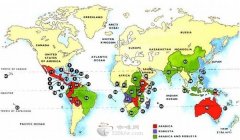
Introduction of Coffee from 10 Coffee producers in the World
one. Costa Rican coffee has full grains, ideal acidity and unique strong aroma. Tarrazu of Costa Rica is one of the major coffee producing areas in the world. Costa Rica, with its fertile volcanic soil and good drainage, is the first country in Central America to grow coffee and bananas for commercial value. Coffee and fragrance

A brief introduction to the planting Market Price of Santo Domingo Fine Coffee Bean varieties
Coffee in Dominica is graded in sizes such as AA and AB, but it is classified as top grade by coffee from highlands such as Sivao and Baraona. Both kinds of coffee are harvested from February to May and are refined by washing. Turning to the introduction of Dominican coffee, the most distinctive features are fresh and elegant, full of particles, excellent acidity and pleasant flavor.

Description of flavor, taste and aroma characteristics of fresh and elegant Santo Domingo boutique coffee beans
Coffee in Dominica varies slightly in taste according to the altitude of the region where it is grown, with sour but rich taste in the highlands, and less sour and smoother taste in the lowlands. On the other hand, the high-quality coffee beans produced by some Dominican estates have a rich aroma, mellow taste, moderately bright sour taste, and are often used with famous Puerto Rican or Jamaican coffee.